Euro of Andorra
Monetary history of Andorra
The Pyrenean valleys and the formation of the Principality
For Andorra, connections with ancient history concern Pyrenean territories and trade, not a national coinage already established in Greek or Roman times. The national tourism authority’s historical summary distinguishes evidence of the earliest settlements from the medieval origins of institutions. Agreements called pareatges, of 1278 and 1288, regulated relations between the Bishop of Urgell and Count of Foix, laying the foundations of the co-principality. Institutional history did not, however, create a national coin system for all payments. Historical symbols revived on modern issues must be distinguished from currencies actually used in the valleys, tied to neighbouring countries.
Franc, peseta and use of the euro
Before the euro, French and Spanish money circulated in practice, linking Andorra with the franc and Iberian monetary tradition. There was no decimalisation of an earlier national currency equivalent to the reform of the Spanish peseta. From 2002, the euro replaced francs and pesetas in Andorran circulation too. The Monetary Agreement with the European Union, signed on 30 June 2011, subsequently recognised the euro as the official currency and permitted national coins within agreed limits. This did not make Andorra an EU Member State. Collector issues denominated in diners, separately provided for in the agreement, must be distinguished from circulating euro coins: they were not a previous ordinary currency converted into euros.
National designs and the illustrated catalogues
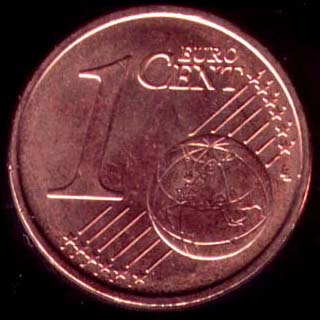
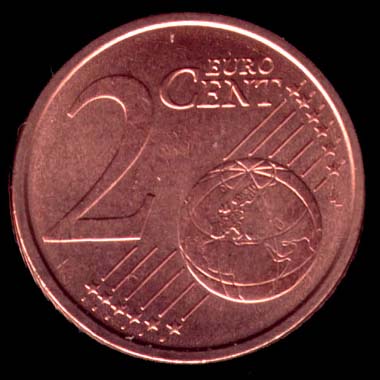
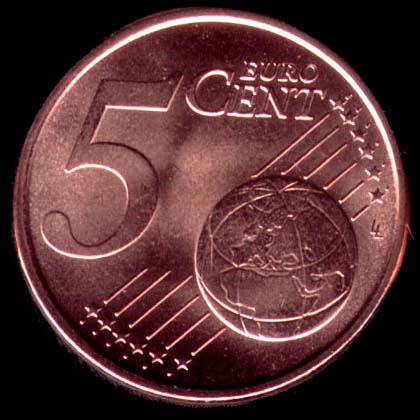
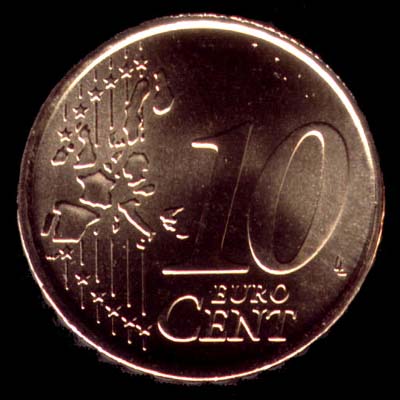
The first Andorran series bear 2014, while distribution began in January 2015: inscribed date and introduction are distinct. The eight denominations in the regular coin gallery show the Pyrenean chamois and golden eagle on 1, 2 and 5 cents; Santa Coloma’s Romanesque church on 10, 20 and 50 cents; Casa de la Vall on 1 euro; and the Principality’s coat of arms on 2 euros. These are the definitive designs described by the ECB: the intermediate denominations omit the Christ Pantocrator included in an initial proposal. Casa de la Vall recalls the former parliamentary seat; other motifs combine landscape, heritage and institutions. The commemorative 2-euro gallery contains subjects distinct from the regular series. The Andorran Financial Authority explains the agreement and issuing powers.
Circulation coins
| Obverse | Reverse | |
|---|---|---|
| 1 cent 2015- 16,25 mm 2,30 g steel, copper |
 |
 |
| 2 cents 2015- 18,75 mm 3,06 g steel, copper |
 |
 |
| 5 cents 2015- 21,25 mm 3,92 g steel, copper |
 |
 |
| 10 cents 2015- 19,75 mm 4,10 g Nordic gold |
 |
 |
| 20 cents 2015- 22,25 mm 5,74 g Nordic gold |
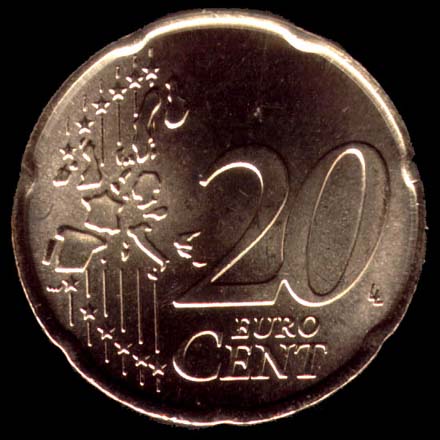 |
 |
| 50 cents 2015- 24,25 mm 7,80 g Nordic gold |
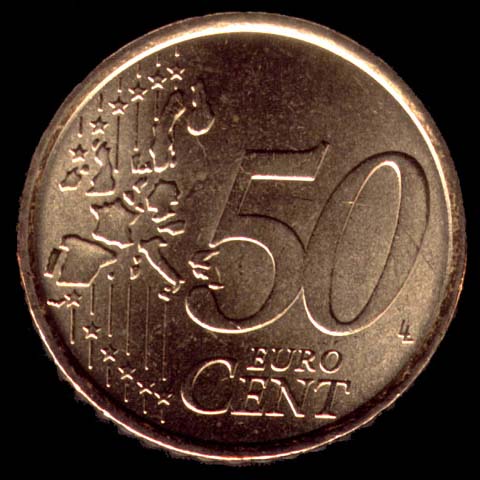 |
 |
| 1 euro 2015- 23,25 mm 7,50 g nickel, brass, copper |
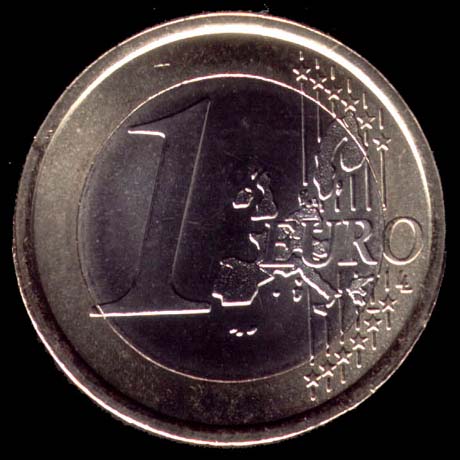 |
 |
| 2 euro 2015- 25,75 mm 8,50 g nickel, brass, copper |
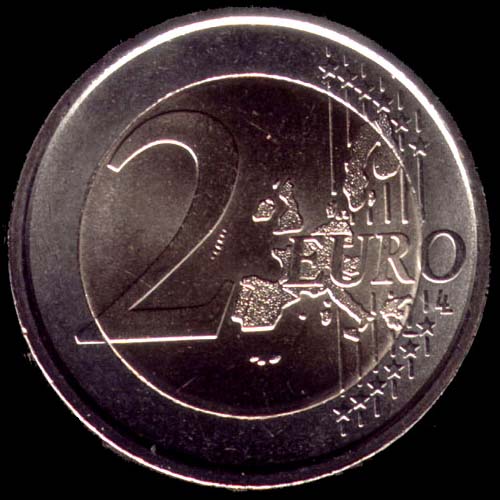 |
 |
2 euro commemorative coins
| 2014 20 Years in the Council of Europe |
 |
|---|---|
| 2015 25 Years of Customs Union with the EU |
 |
| 2015 30 Years since 18 became Legal Age |
 |
| 2016 25th anniversary of the Radio and Television of Andorra |
 |
| 2016 150 years of the New Reform 1866 |
 |
| 2017 100 years of the anthem of Andorra |
 |
| 2017 Andorra, The Pyrenean country |
 |
| 2018 25th anniversary of the Andorran Constitution |
 |
| 2018 70th anniversary of the Universal Declaration of Human Rights |
 |
| 2019 600 years since the constitution of the General Council of Andorra |
 |
| 2019 FIS Alpine Ski World Cup final |
 |
| 2020 27th Ibero-American Summit in Andorra |
 |
| 2020 50 years since Andorra's introduction of women's suffrage |
 |
| 2021 Let’s take care of our elderly |
 |
| 2021 100 years since the coronation of Our Lady of Meritxell |
 |
| 2022 The legend of Charlemagne |
 |
| 2022 10 years of the entry into force of the Monetary Agreement between Andorra and the European Union |
 |
| 2023 Summer solstice fire festivals in the Pyrenees |
 |
| 2023 30 years of the entry of the Principality of Andorra into the United Nations |
 |
| 2024 100 years of skiing in Andorra |
 |
| 2024 UCI Mountain Bike World Championships 2024 |
 |
| 2025 Bearded vulture | 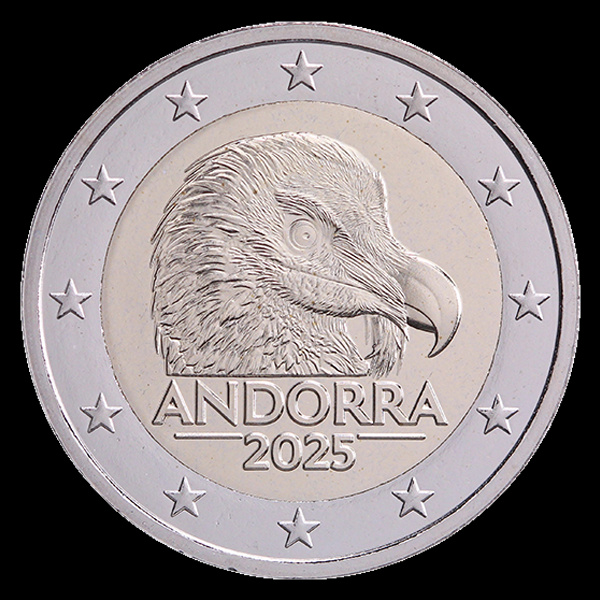 |
| 2025 Games of the Small States of Europe | 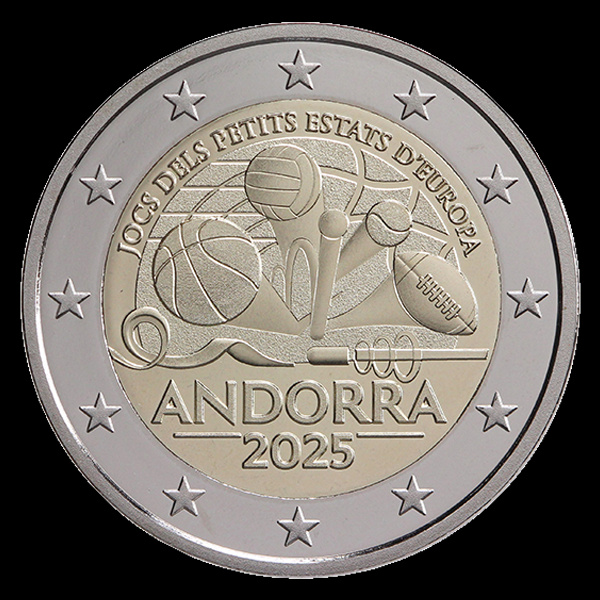 |